It’s easy to stick with a single marketing channel that works.
You find a channel that brings in leads, and you lean into it.
Maybe it’s Google Ads. Maybe it’s SEO. Maybe it’s LinkedIn.
At first, it feels like the right call. Leads come in, costs feel under control, and you start to trust the process. It creates a sense of consistency that’s hard to step away from.
But over time, that reliance starts to create risk. When everything depends on one channel, your business becomes exposed.
If performance drops, so do your leads. That drop might come from rising ad costs, an unexpected algorithm update, or growing competition.
None of those sit within your control, yet they can directly impact your revenue.
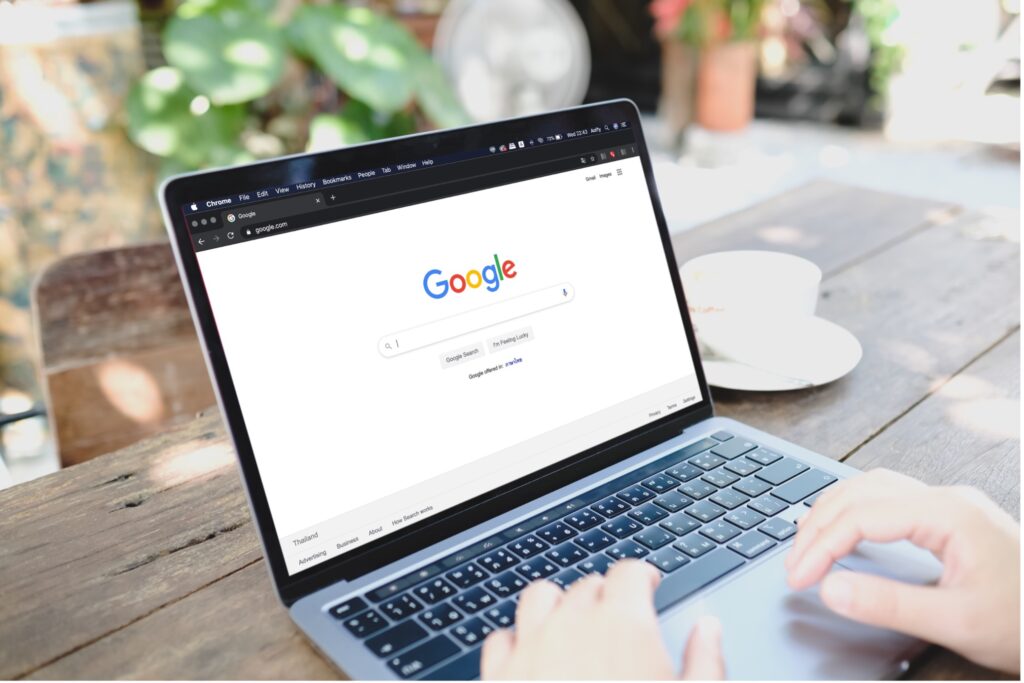
Focusing on the biggest platforms, like Google, which still handles over 8.9 billion searches per day, obviously creates opportunity, but it also means constant competition.
Plus, visibility fluctuates, trends and features change, and costs increase over time.
If you’re relying on a single channel and have no fallback when things shift like this, it can seriously impact your revenue, profit, and growth.
In this article, we’ll cover the importance of a multi-channel marketing strategy when growing your business.
The problem with putting all your effort into one channel
There’s a natural limit to every channel you use.
At the start, you’re seeing things grow pretty steadily. You’re generating interest and capturing demand, refining your messaging and targeting, and seeing your performance improve.
Then progress inevitably slows, and you hit a plateau.
You can throw more budget at the problem, but results don’t scale in the same way. Costs grow, but results stay the same, and what was working well starts to feel harder to maintain and justify.
In the last eight years, average customer acquisition costs have surged by 222%, which is why simply increasing budget rarely delivers the same return it once did.
This is where many businesses get stuck. They keep pushing the same channel, hoping for better results, even though it’s already at its peak.
At that point, more spending doesn’t solve the issue. It just reduces your margin.
Customers don’t always convert the first time they see you
Another issue is how people actually make decisions.
Customers rarely convert the first time they see you. They research, compare options, and return later on when (or if) they feel confident you’re the right choice.
To get as many users returning as possible, you need to show up more than once.
A typical customer journey might start with a search. Someone visits your site, then leaves. Later, they might see your brand again through a paid ad or a social post. They return, engage with your content, and then decide to enquire.
According to Salesforce, it takes between six and eight touchpoints to generate a qualified lead, which is why having multiple, value-focused touchpoints is now the standard, especially for higher-value services with longer sales cycles.
If you only show up in one place, you’re missing most of that journey. You’re relying on perfect timing instead of building familiarity and trust.
And that limits your ability to grow.

How multi-channel marketing supports growth
More stability, less risk
A multi-channel approach provides your business with greater stability. If one channel slows down, others continue to generate traffic and leads.
You’re not left scrambling to replace lost performance, and you don’t have to pump in budget to keep things stable. This reduces risk and creates a more consistent pipeline.
It also impacts retention. Businesses with strong omnichannel strategies retain around 89% of their customers, compared to just 33% for those with weaker, single-channel approaches.
Flexibility here is key; being able to shift your budget and focus based on what’s working, rather than relying on a single source to carry everything, is so important for stable growth.
Strong performance across your marketing
When your business shows up across multiple channels, something changes.
You stop chasing individual conversions and start building recognition.
Someone might see your brand through search, then again through a paid ad. Later, they might engage with your content or visit your site directly. Each interaction builds familiarity.
That familiarity reduces friction when they’re ready to make a decision.
It also improves performance across your marketing.
When users already recognise your brand:
- Your click-through rates improve
- Your conversion rates increase
- Your cost per acquisition often decreases
This is why retargeting plays such a key role. By reconnecting with users who have already engaged with your brand, you’re not starting from zero.
In fact, retargeting can increase conversion rates by up to 150%.
Better insight into what actually drives growth
When you rely on one channel, it’s easy to focus on surface-level metrics like clicks, impressions, and cost per lead.
A connected strategy goes deeper. It tracks how users move across channels, which interactions lead to conversions, and the value of those conversions.
This gives you a clearer view of what actually drives revenue and profit. You can see which channels support each other and where your best growth opportunities lie.
How a digital growth agency builds a connected system
This is where a digital growth agency, like Damteq, can change the way you approach marketing.
Instead of focusing on a single channel or metrics that don’t tell the full story, we build a connected system that supports your full customer journey and builds towards steady growth.
We look at how each channel supports the others and how people move between them before they convert. The goal is not to do more activity. It’s to make each part work together.

For example, someone might find you through a Google search and leave without converting. Later, they see a paid ad and return to your site. They might sign up for emails, then come back a few days later and enquire.
That journey doesn’t happen through one channel. It happens through a series of touchpoints that build trust through consistent value.
A smart way to approach growth
Right now, I want you to think about one question.
If your main channel stopped working tomorrow, what would you do?
If the answer isn’t clear, your marketing is too dependent on one source.
Working with a digital growth agency isn’t about spreading yourself thin. It’s about building a system that doesn’t rely on luck or a single lead source.
It gives you more control, more stability, and more ways to grow. And when you combine that with a focus on profit, not just revenue, you start building a strategy that supports long-term success.
To learn more about how we can support your marketing and growth, explore our full range of growth services or get in touch to speak with a growth specialist.